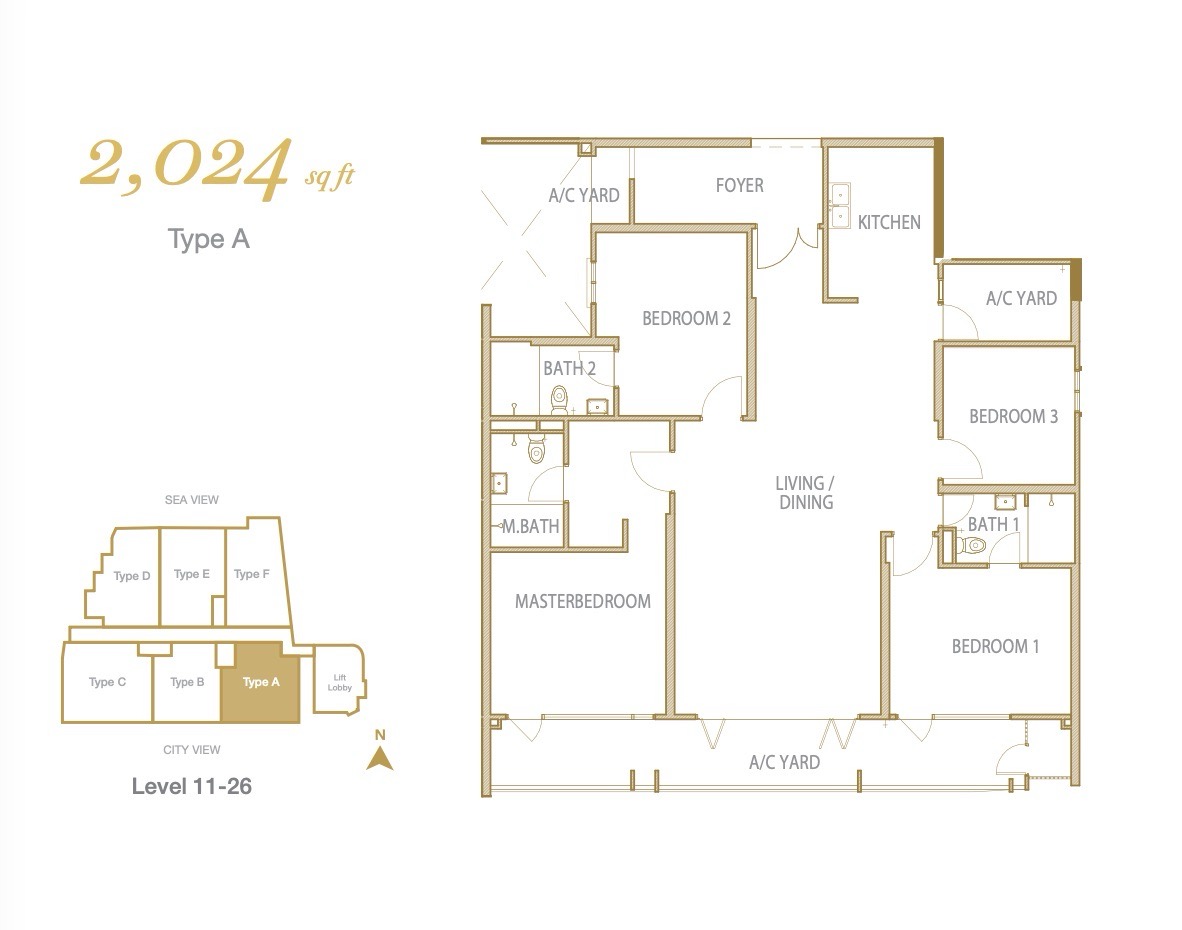
Type A · 2,024 sq ft
Brochure floor range: Level 11–26
Suitable for: Households that want four bedrooms within one of the more compact built-up options.
Compare the floor plans
Type A–H range from 2,009 to 4,540 sq ft. Start with the 2,009–2,440 sq ft family layouts, step up to 2,691 sq ft for more shared space, or compare 4,034–4,540 sq ft for multi-generational living and frequent hosting.
For the full project overview, read Cantonment Residence Pulau Tikus Penang Project Guide.
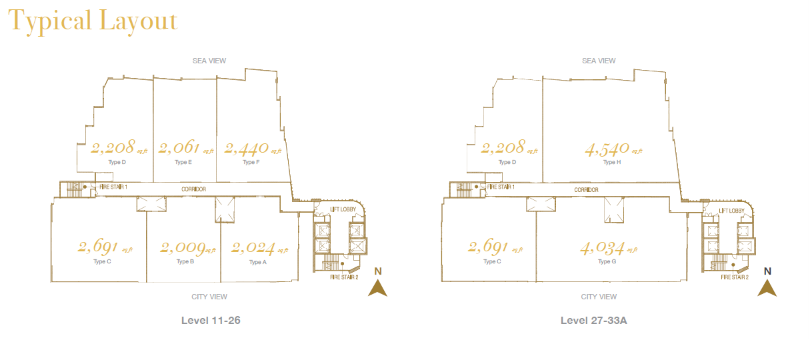
The typical floor plan shows six residences on the main residential floors and four residences on the higher floors, including the larger Type G and Type H layouts.
Select the image to view the full-size plan.
Brochure floor range: Level 11–26
Suitable for: Households that want four bedrooms within one of the more compact built-up options.
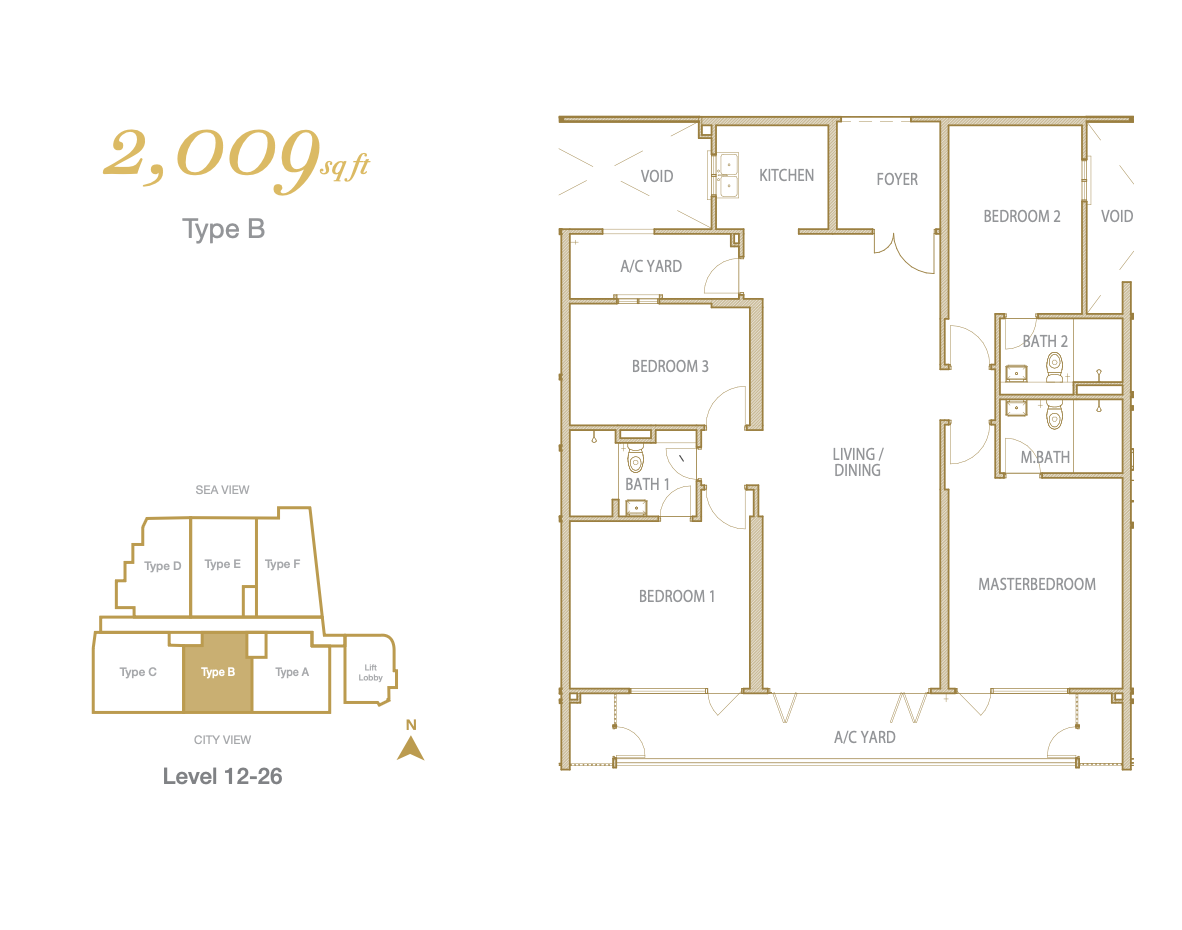
Brochure floor range: Level 12–26
Suitable for: Families who want a larger Pulau Tikus home while keeping the overall budget more measured.
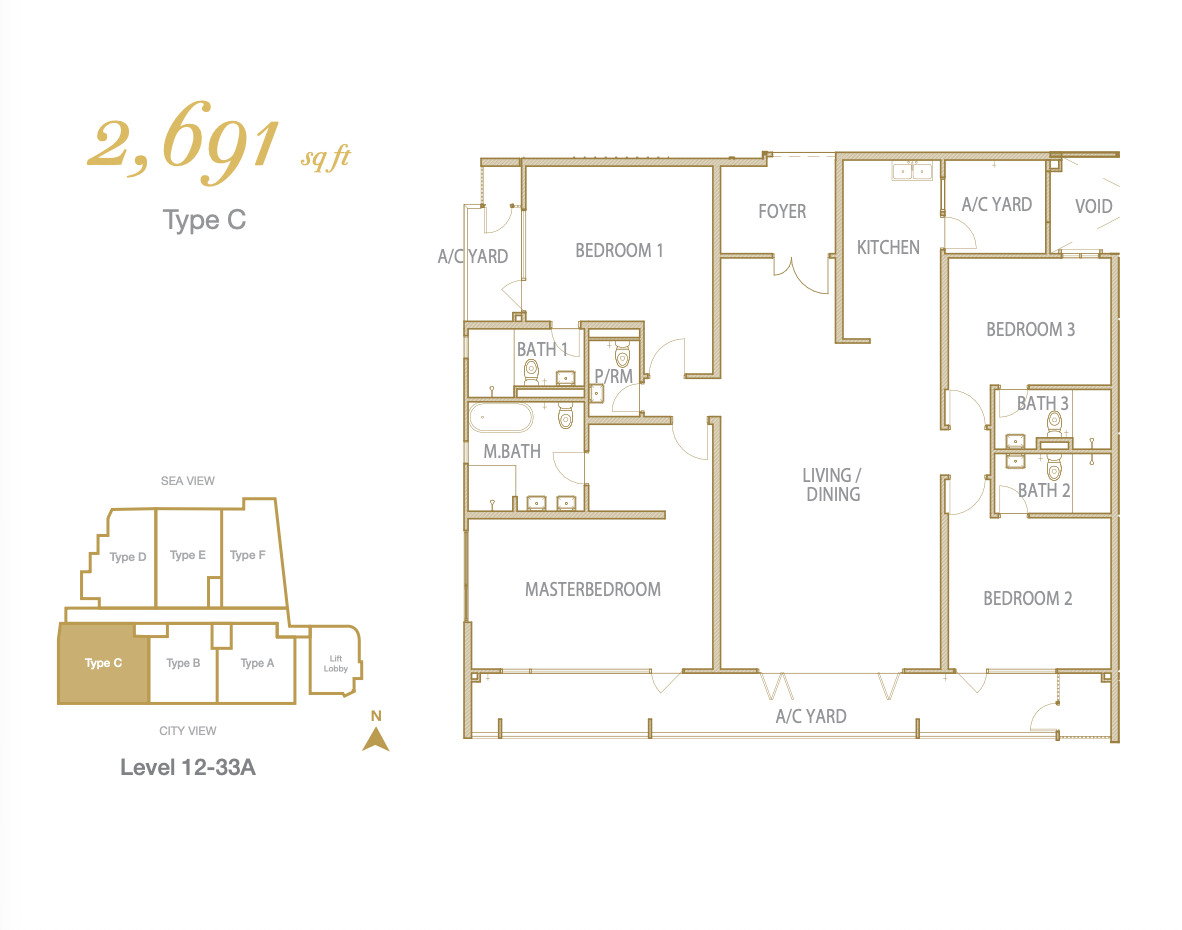
Brochure floor range: Level 12–33A
Suitable for: Longer-term own-stay households that need more room for family members and shared living.
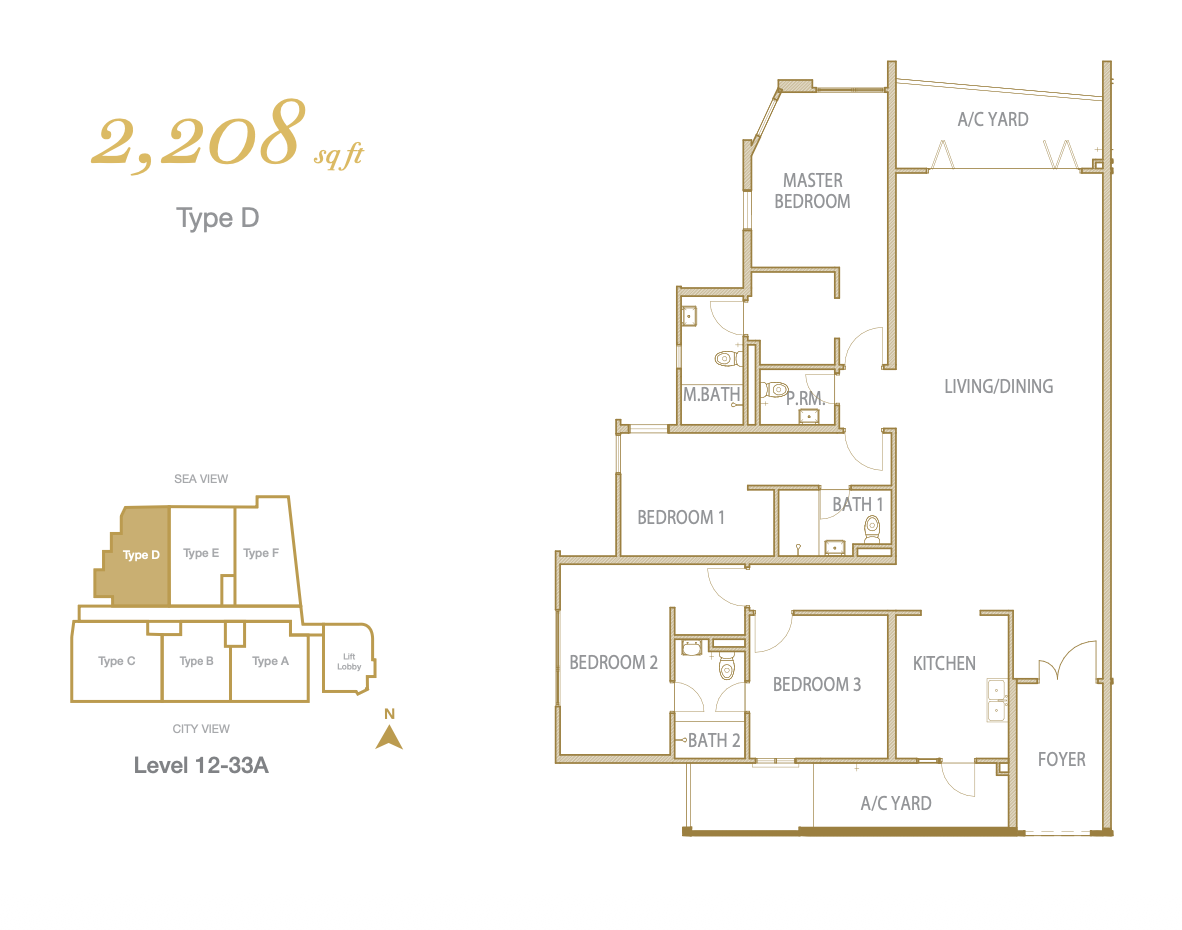
Brochure floor range: Level 12–33A
Suitable for: Families looking for a middle-size option between the 2,000 sq ft and 2,600 sq ft layouts.
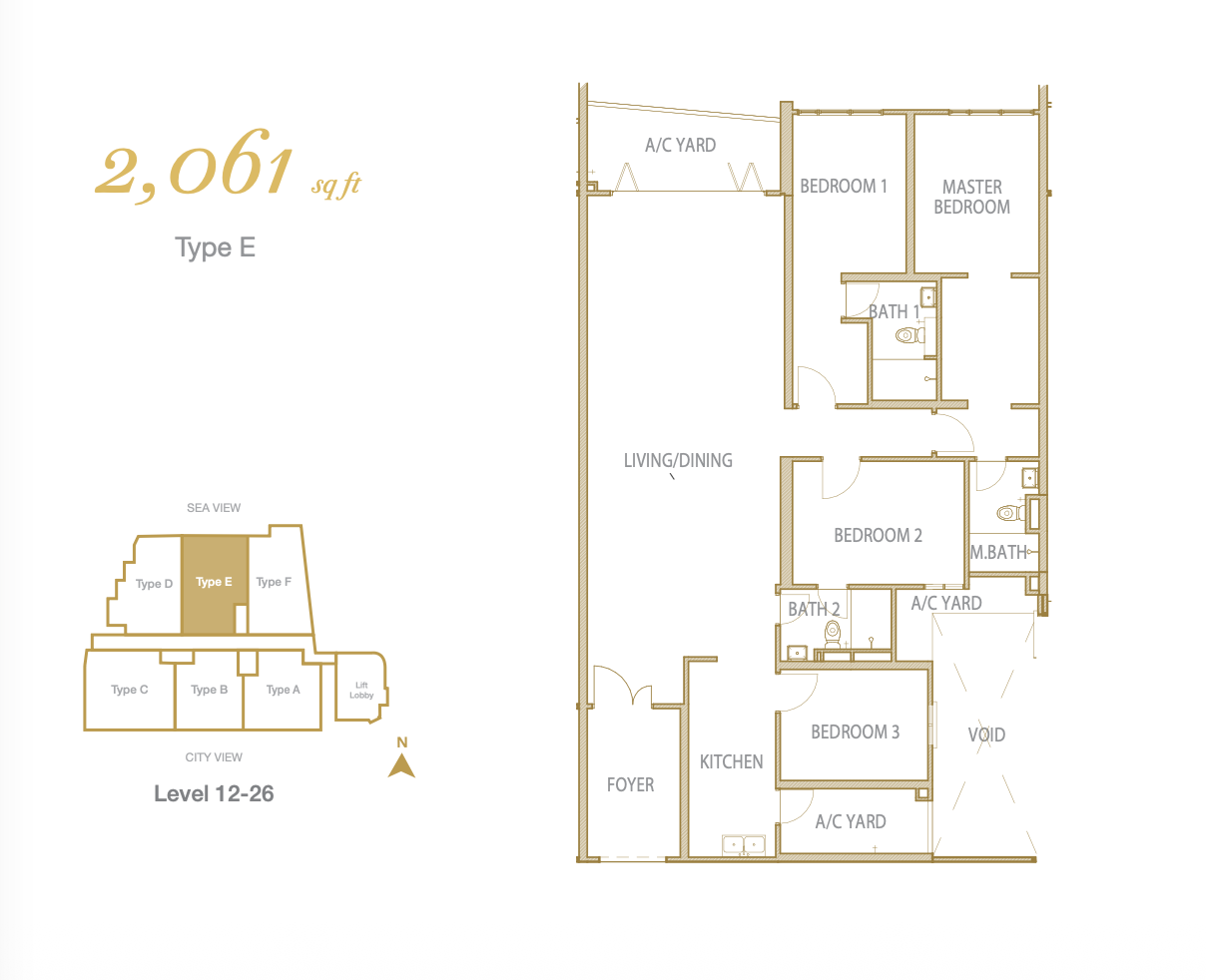
Brochure floor range: Level 12–26
Suitable for: Buyers who prefer a more practical, concentrated layout for everyday living.
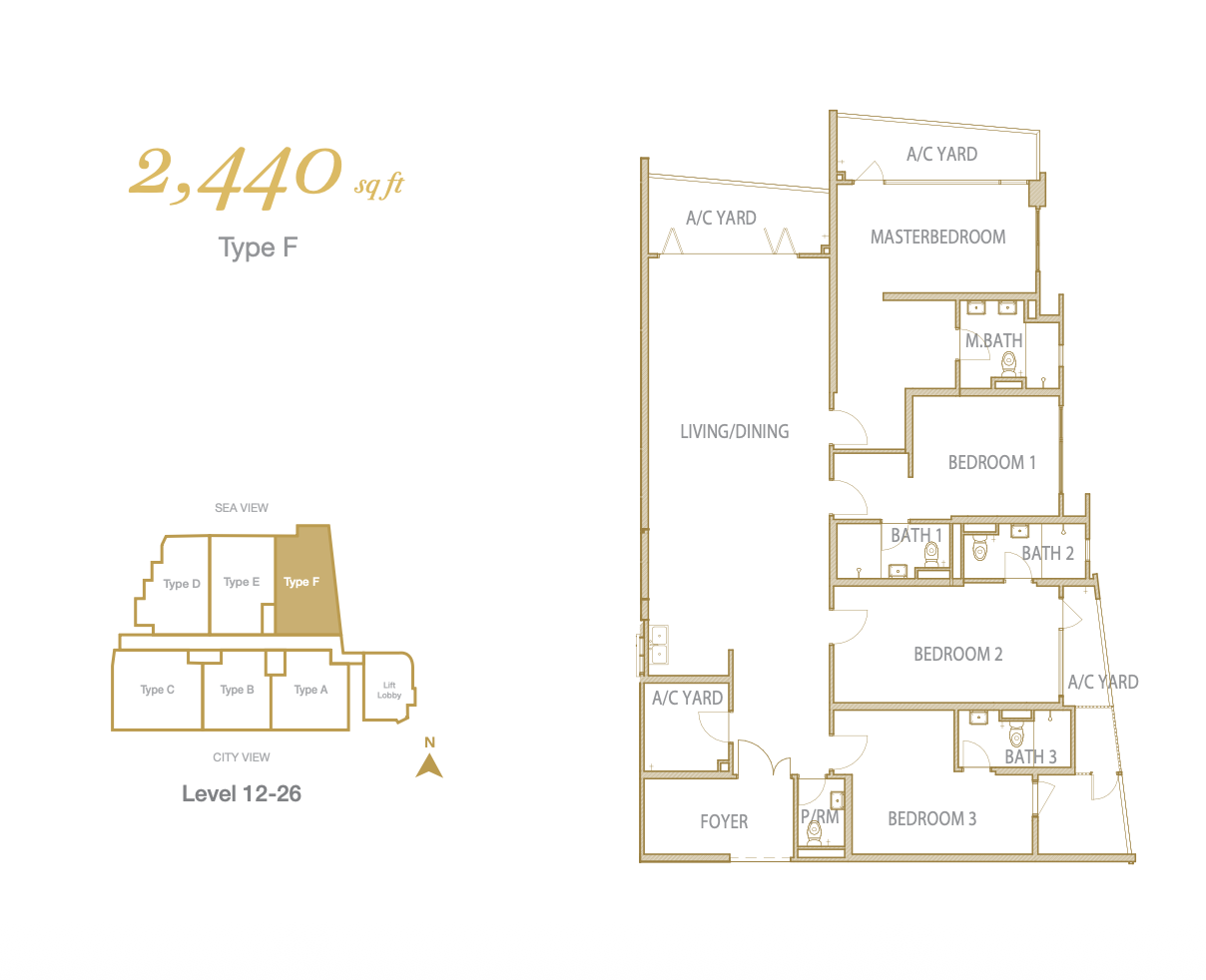
Brochure floor range: Level 12–26
Suitable for: Families who want more separation between the main bedroom and the other bedrooms.
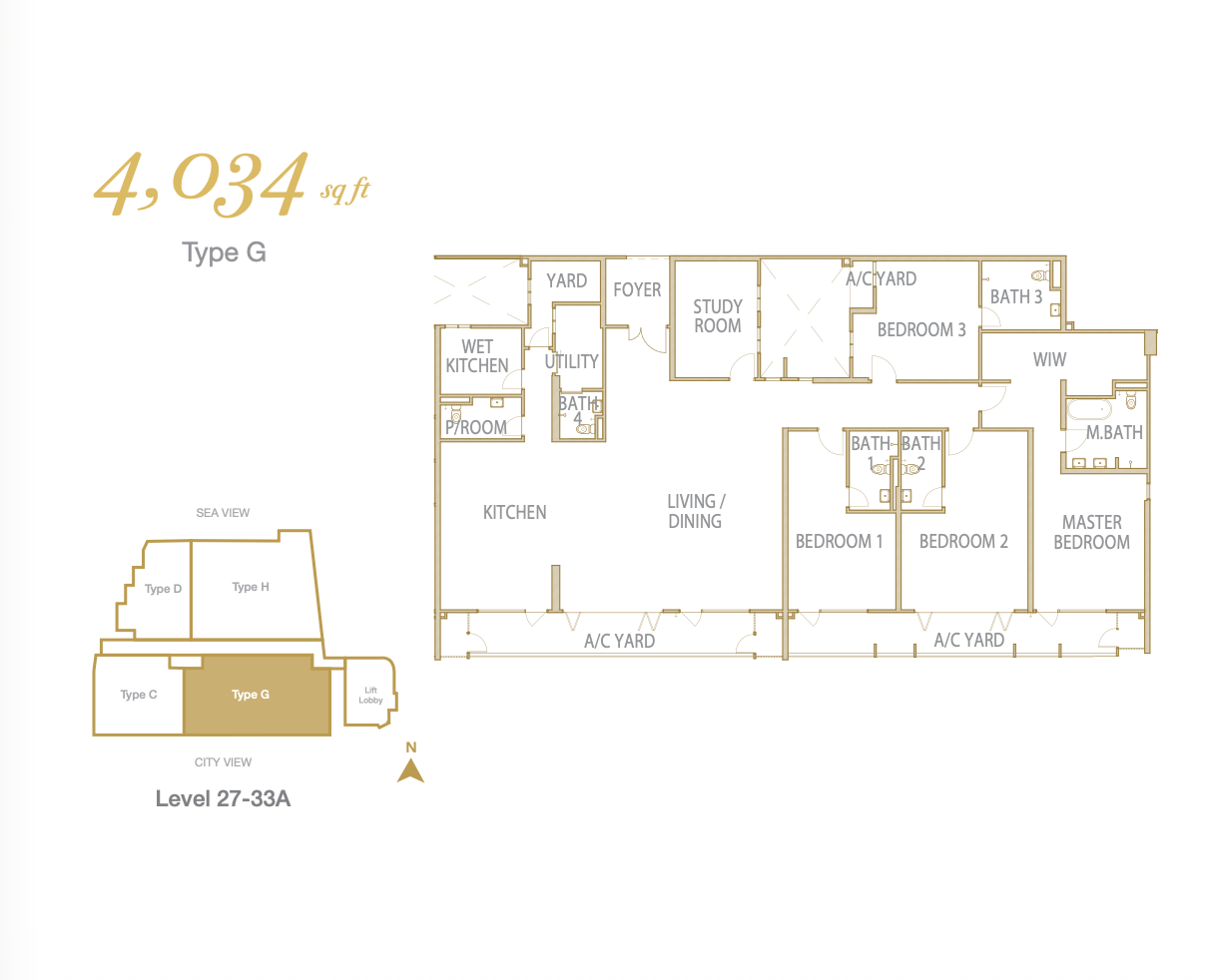
Brochure floor range: Level 27–33A
Suitable for: Multi-generational households, frequent hosts or buyers who value more privacy and space.
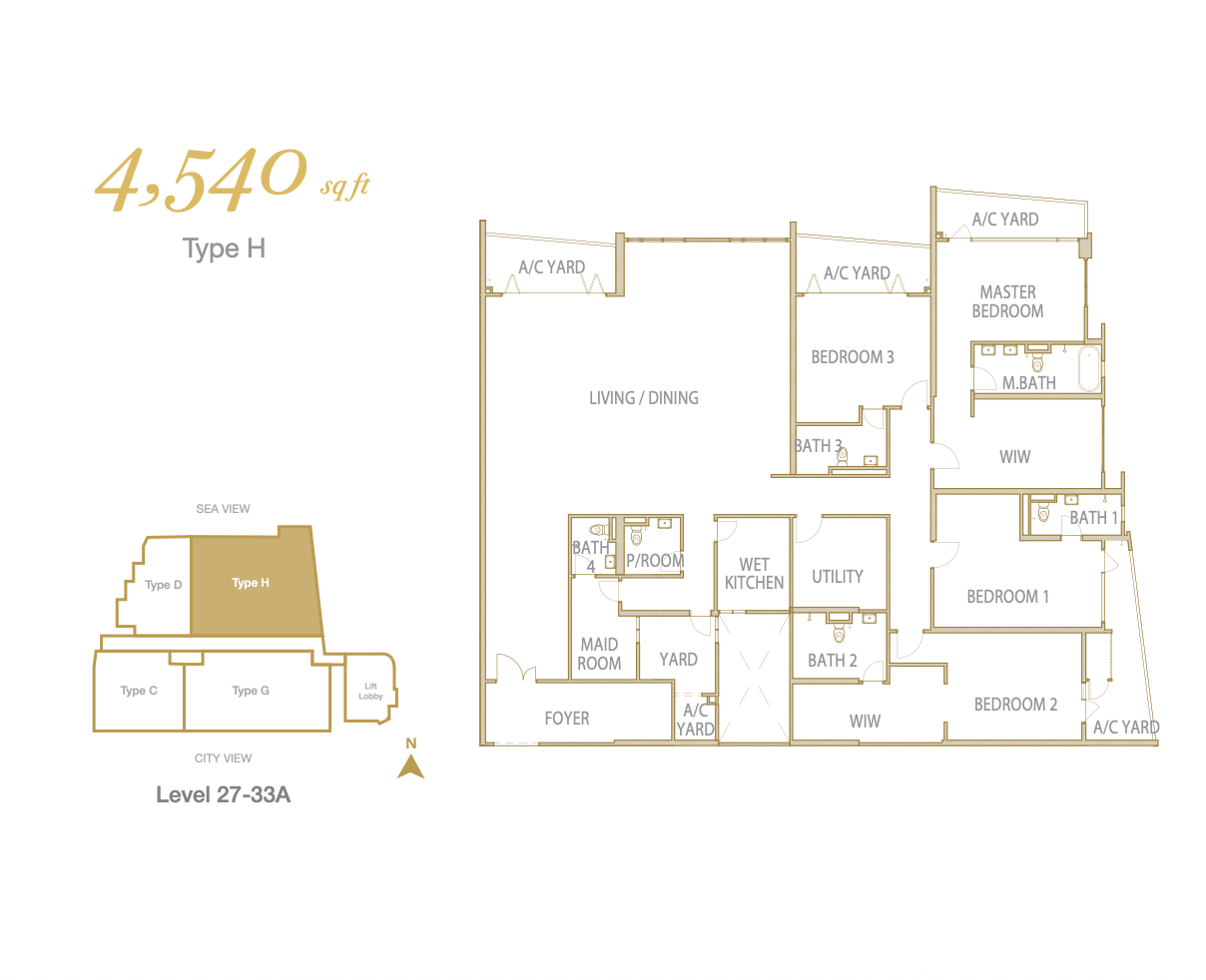
Brochure floor range: Level 27–33A
Suitable for: Larger households that need generous shared spaces together with more private and support areas.
Types A, B, D, E and F form the practical family range. Compare room arrangement, privacy and how much of the space your household will use every day.
Type C is the step-up option for buyers who want more shared living space without moving into the largest upper-floor layouts.
Types G and H suit larger or multi-generational households, frequent hosts and buyers who want more separation between shared, private and support areas.
Set the household needs first, compare room relationships second, then review floor position and current unit choices. Size alone does not decide which plan works best.
Send me your budget, household size and preferred built-up range. I’ll help you compare the layouts, check current availability and arrange a showroom visit for you.
WhatsApp Danny Contact Danny on Line